INLAND MARINE
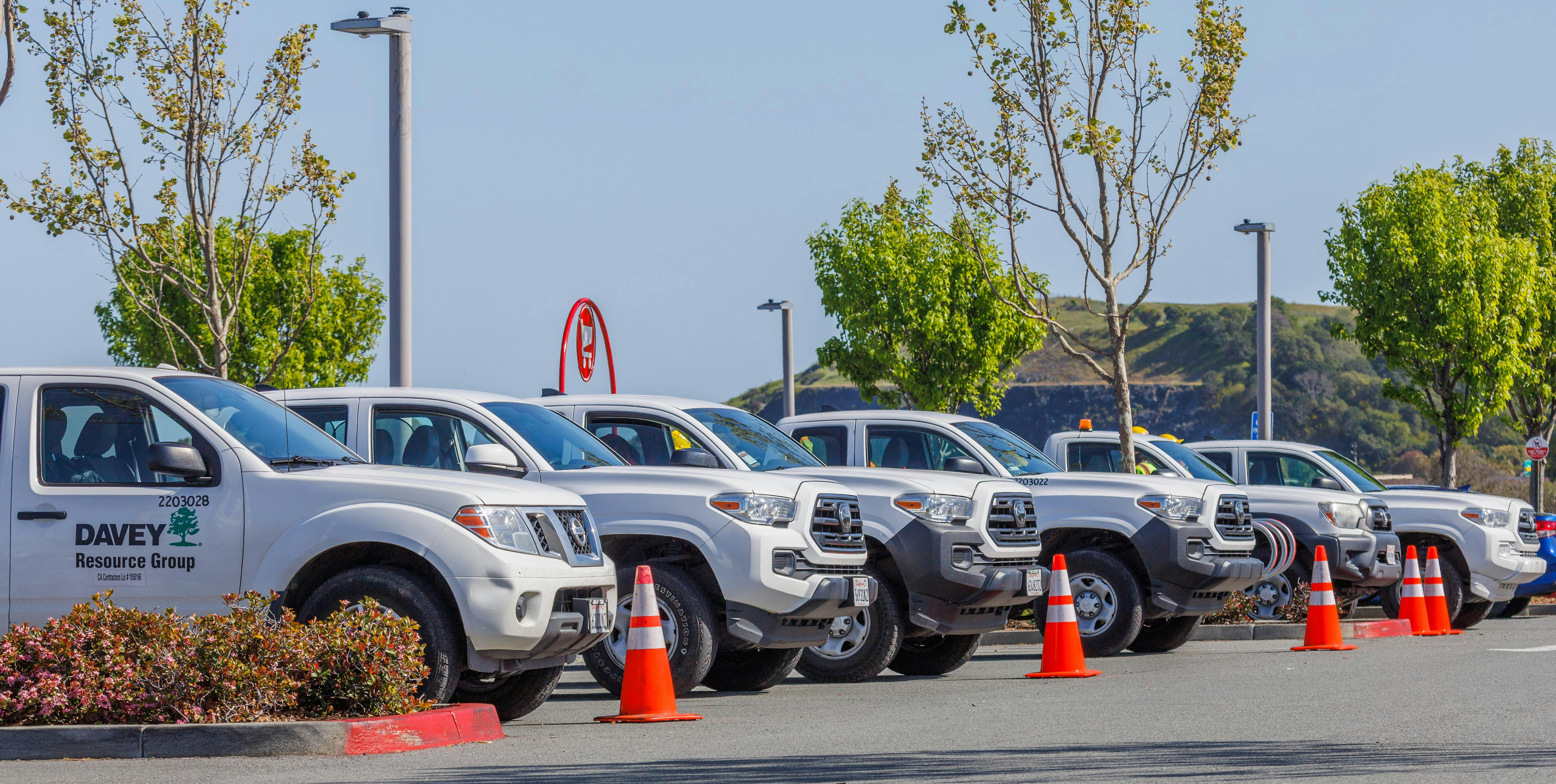
Despite the name, inland marine has nothing to do with boats. It covers contractor equipment, tools, mobile property, transported goods, and high-value items that move between locations. Critical for contractors and service-based businesses.
Free Coverage ReviewWHAT'S COVERED
Heavy equipment, power tools, hand tools, and contractor-owned equipment used at job sites. Covers loss while on jobsite, in transit between sites, and stored at the contractor's facility.
Materials and equipment being installed at a job site, covered from delivery through completion of installation. Often required by general contractors for subcontractors performing major installations.
Equipment that moves under its own power or is moved between locations: bobcats, excavators, lifts, generators, light towers. Often higher value items requiring scheduled coverage.
Goods being transported by the insured (motor truck cargo) or being held for others (bailees customers). Critical for transportation, warehousing, and repair businesses.
IMPORTANT LIMITATIONS
Standard exclusion across all inland marine. Equipment failure from normal use, age, or maintenance issues is not covered.
Standard policies often exclude employee theft. Commercial crime coverage or a specific endorsement is needed for that exposure.
Standard exclusions across most P&C policies. Inland marine follows the same pattern.
Higher-value items typically need to be scheduled with specific values. Unscheduled property may have sublimits or face coinsurance penalties.
OUR CARRIER PANEL
All carriers we work with hold an A or better financial strength rating and are appointed in the state. We compare them and recommend the right fit.
Carriers reviewed by Olive Cover that write this coverage. An honest look at their appetite, strengths, and fit:
CLAIMS TIPS
Practical guidance for the first 24 hours, what to document, common mistakes to avoid, and when to call us.
COMMON QUESTIONS
The 'marine' in inland marine is historical. Original marine insurance covered ocean cargo. As trade expanded inland (rail, truck, river barge), the marine concept extended to property that moves over land. Modern inland marine has nothing to do with water. It typically covers: contractor equipment and tools (heavy machinery, power tools, hand tools used at job sites); installation floaters (materials and equipment being installed); mobile equipment (bobcats, excavators, lifts, generators); goods in transit (cargo, motor truck cargo); bailees customer coverage (goods held for others, like a repair shop holding customer property); and specialty floaters for high-value scheduled items (camera equipment, musical instruments, jewelry, fine art). The unifying theme is property that moves or is held outside the policyholder's permanent location.
Inland marine covers property in transit, contractor equipment, mobile machinery, goods held for others, and high-value items that move between locations. It has nothing to do with boats or maritime insurance.
what-does-inland-marine-insurance-cover-despite-the-name
General liability insurance covers third-party bodily injury and property damage claims arising from the contractor's operations. It does NOT cover damage to or loss of the contractor's own tools, equipment, or mobile machinery. That's an inland marine exposure. Without an inland marine policy (or contractor's equipment floater), a contractor whose tools are stolen from a job site, equipment damaged in a job-site accident, or generator destroyed in a fire would pay out of pocket. Most general contractors carrying $500K+ in tools and equipment carry contractor's equipment coverage. The pricing is typically $500 to $5,000 annually depending on equipment values, and many policies offer scheduled coverage for higher-value items.
Yes for most contractors. General liability does not cover damage to the contractor's own tools and equipment. Inland marine fills that gap, covering loss of contractor-owned equipment at job sites, in transit, and stored at the shop.
do-contractors-need-inland-marine-insurance-if-they-have-gen
When a business holds property owned by customers (a repair shop holding cars or computers, a dry cleaner holding clothes, a storage facility holding household goods, a warehouse holding inventory), the business has a legal duty to safeguard that property. If property is damaged, lost, or stolen while in the bailee's care, the bailee can be liable to the owner. Bailees customers insurance (sometimes called 'bailee's coverage' or 'customer property coverage') is a specific inland marine form that covers the bailee's legal liability for damage to or loss of customer property. Standard commercial property typically excludes property of others, so bailees coverage fills that gap. Pricing scales with the value of property typically held and the type of business.
Bailee's customer covers property owned by others while it is in the bailee's care, custody, or control. Critical for repair shops, dry cleaners, warehouses, and storage facilities.
whats-a-bailees-customer-policy
IN GEORGIA
GET STARTED
Standard commercial property typically covers contents at a fixed location, not equipment that moves between job sites. Coverage Review walks through your equipment inventory and surfaces the right inland marine structure from our review set.
Inland marine pricing scales with equipment values, type of equipment, theft and damage exposure, and claims history. Most Georgia small to mid-market contractors pay between $500 and $5,000 annually for contractor equipment floaters.
Free Coverage ReviewNew to insurance terminology? See our complete glossary with plain-language definitions and concrete examples for every term used on this site.
Open the Insurance Terms glossary →